COOPERATION MODEL
ARTIFICIAL INTELLIGENCE
PRODUCT ENGINEERING
DevOps & Cloud
LOW-CODE/NO-CODE DEVELOPMENT
INDUSTRY
FRONTEND DEVELOPMENT
CLOUD DEVELOPMENT
MOBILE APP DEVELOPMENT
LOW CODE/ NO CODE DEVELOPMENT
EMERGING TECHNOLOGIES



 3 mins read
 Last updated January 22, 2026
The phase of trying out AI "copilots" appears to be over. In 2025, many engineering companies realized that generating code quickly does not always lead to faster results. The 2025 Stack Overflow Developer Survey found that 84% of developers used AI tools, but almost half did not trust the results and said debugging AI-generated code took longer.
The last two years showed that basic AI chat interfaces do not work well at scale. As 2026 begins, engineers are turning more to systems with agentic AI features, which we also listed among the top AI trends for 2026. This post looks at real-world use cases for agentic AI this year.
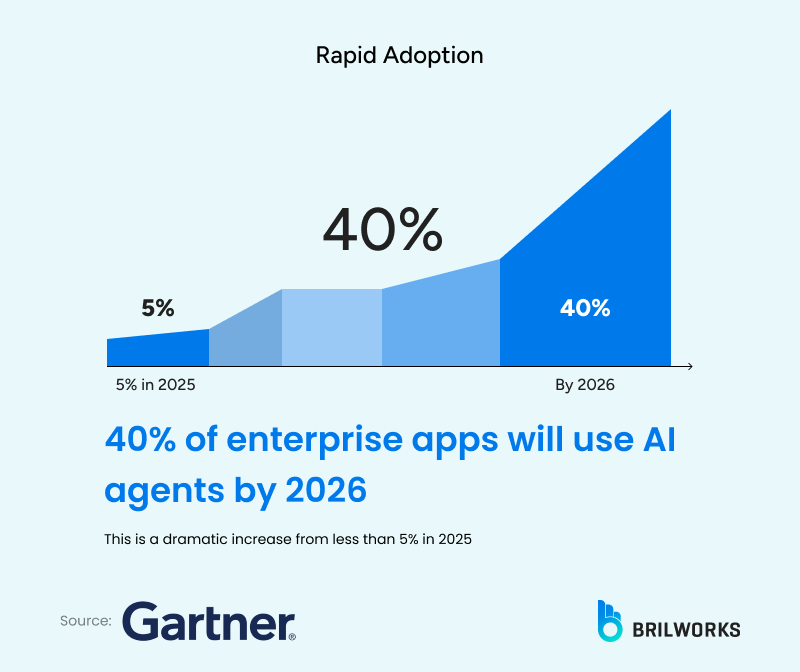
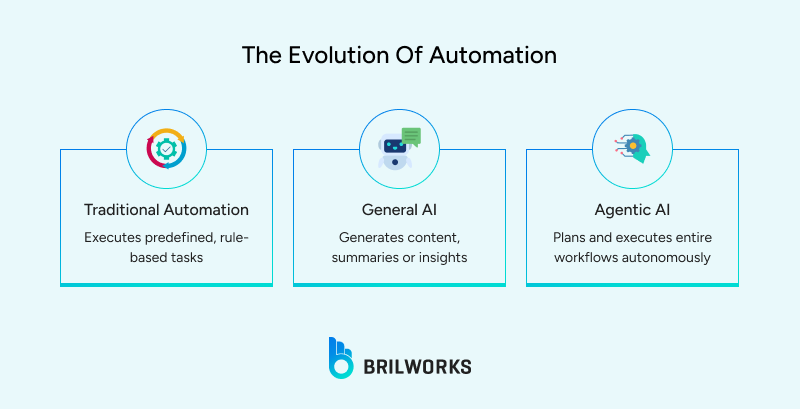
In 2024 and 2025, most companies paid for AI tools that worked like stand-alone assistants. In 2026, the focus is on agentic systems. These agentic assistants are powerful.
Forrester’s 2026 Technology Predictions support the claim that enterprises will defer 25% of their planned AI spend to later years.
This post highlights the most valuable ways agentic AI is being used across different areas within companies.
Many critical services in IT and infrastructure management is now handled by autonomous systems.
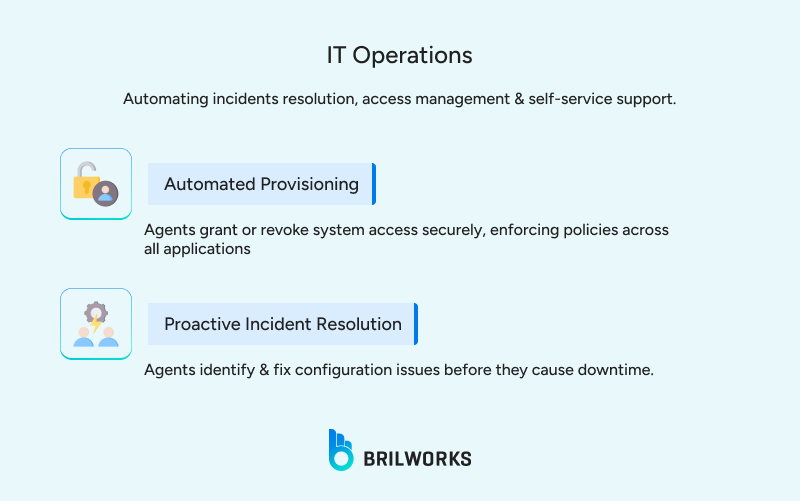
Agents can figure out what is needed. They can set up cloud resources, prepare containers, and check network routes, assisting developers get everything ready in no time.
Agents can be used to fix many problem such as if server breaks or goes offline. They can be used find the cause, such as a wrong setting or missing update. They also help in analysing real-time data and can roll back updates if they spot issues.
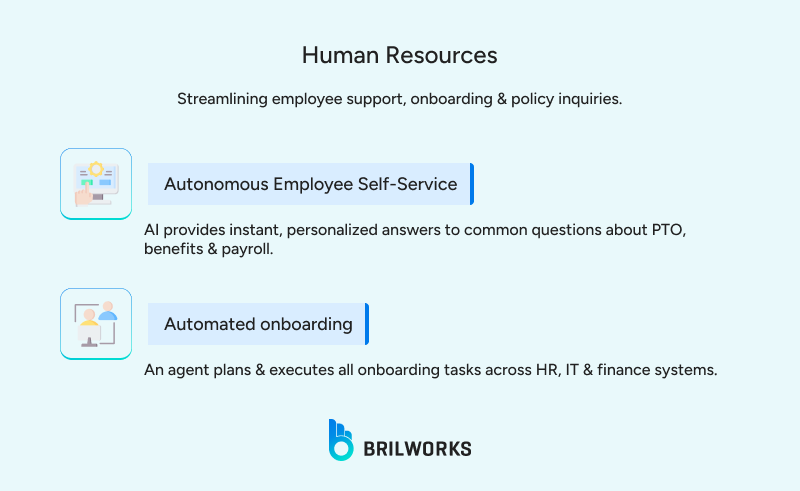
Agents work around the clock. Employees can ask questions like, "Which module handles user logins?" or "What is our policy on remote security?" and get answers.
Agents now set up everything for new joinees, from installing packages to configuring their workspace. They also suggest a learning path based on the projects the new developer will work on, so they can start contributing right away.
In 2026, agentic AI has blurred the line between technical support and sales.
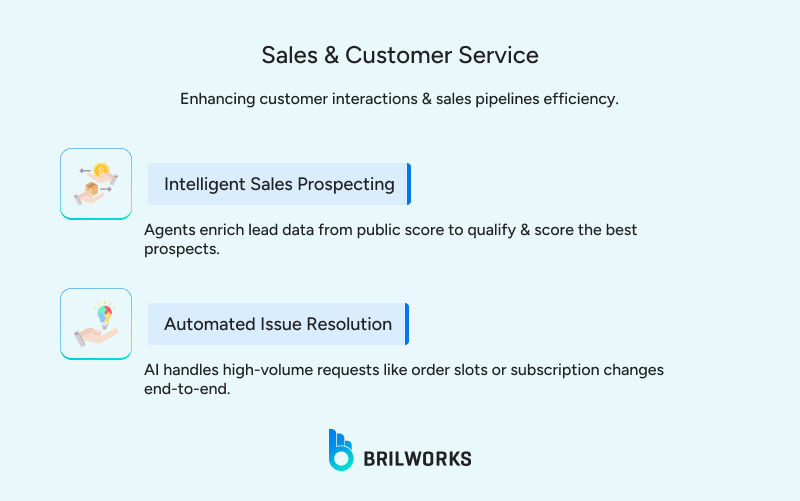
Agents work as "intent interpreters" in the sales process. They review meeting notes and emails to find prospects. They can also be used to create technical proposals.
Customer service has moved beyond basic chatbots. Agents can now explore repositories to understand why a specific user is hitting a bug. They don't just give canned answers; they can explain a technical workaround or even draft a PR for the engineering team to fix the underlying issue that the customer reported.
The main business tasks, like writing code and handling finances, now rely on agentic automation.
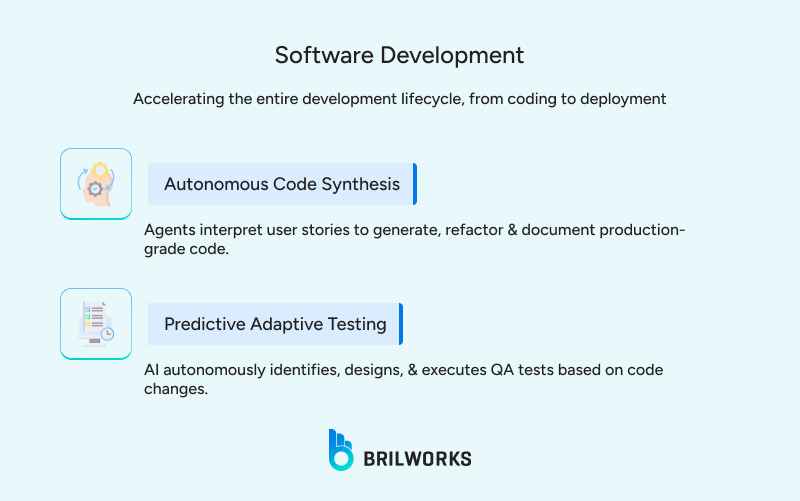
Agents like Devin or the maturedAgents such as Devin or the advanced GitHub Agent Mode act as independent engineering partners. Given a main goal, they break it into parts, write basic code, and connect everything.
They also check the codebase to make sure new code matches the existing style and uses internal libraries instead of duplicating work. proactive instead of just checking after the fact.
Agents use reinforcement learning to predict where code might fail and create targeted test suites for those spots. They also run mutation tests, using fake data and rare cases to check the app’s strength before anyone reviews the code.
Finance agents now take care of the paperwork in engineering. They automatically check vendor invoices against project milestones and server usage. Agents also create expense reports by matching receipts to calendar events and project codes, so the Total Cost of Ownership (TCO) for each feature is tracked in real time.
The most common failure in 2025 was treating AI agents as a "bolt-on" feature rather than a core infrastructure change. Leaders often assume that more autonomy equals more value. In reality, an agent's value is capped by its integration depth. If an agent can only "read" data but not "write" to your production systems, it remains a passive advisor. However, granting "write" access creates massive security risks.
The solution is an API-first strategy. You must treat your AI agents like new employees: they require specific access.
Successful companies are now using the Model Context Protocol (MCP) to standardize how agents interact with their data.
Here's how you can deploy:
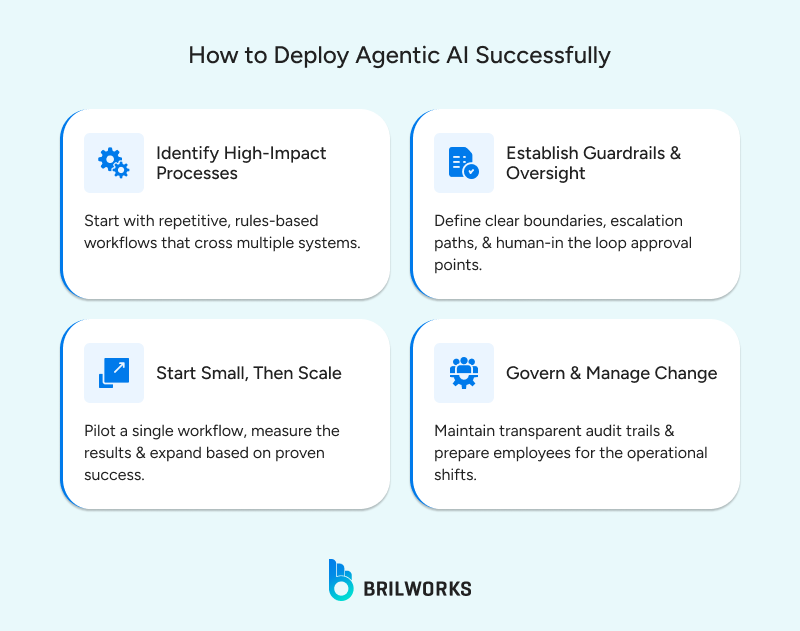
Identifying high-risk decision points where human approval is mandatory.
Every decision an agent makes, from the tools it calls to the logic it follows, must be logged.
While agents reduce human labor costs, they increase compute and token costs.
Takeaway: Start Small, Move Systemically.
We are progressively moving past the excitement of machines that can talk and focusing on machines that can actually do the work. The transition to agentic AI is an infrastructure investment.
With agentic AI, the value of human critical thinking goes up. Senior developers are auditors and architects. Success belongs to the leaders who stop trying to replace their engineers and instead focus on removing the friction that stops them from doing great work.
Get In Touch
Contact us for your software development requirements
Get In Touch
Contact us for your software development requirements

Hello, we are BRILLIAN’S. Trying to make an effort to put the right people for you to get the best results. Just insight !

 503, Fortune Business Hub, Science City Road, Sola, Ahmedabad, Gujarat, India Pincode- 380060
 + 91 9313644148
 sales@brilworks.com


