COOPERATION MODEL
ARTIFICIAL INTELLIGENCE
PRODUCT ENGINEERING
DevOps & Cloud
LOW-CODE/NO-CODE DEVELOPMENT
INDUSTRY
FRONTEND DEVELOPMENT
CLOUD DEVELOPMENT
MOBILE APP DEVELOPMENT
LOW CODE/ NO CODE DEVELOPMENT
EMERGING TECHNOLOGIES



 4 mins read
 Last updated December 11, 2025
Over the last decade, software teams stopped treating infrastructure as a fixed part of the office and started treating it as something they can rent, adjust, and scale whenever they need it. That shift didn’t happen overnight, but it’s now the default way most products are built. Instead of planning hardware months in advance, companies lean on cloud platforms to spin up what they need in minutes.
In this space, AWS and Azure have become the two main choices for most teams. They offer compute, storage, databases, and networking. But they approach the cloud in different ways. AWS grew by giving developers an array of tools to assemble their own systems. Azure grew by tying cloud services closely to the software many companies were already using.
Because of these different foundations, the two platforms behave differently once real projects start running on them. Understanding those differences for cloud developers makes it easier to see where each one fits, and that’s what this comparison aims to lay out, what AWS is good at, what Azure is good at, and how each handles the kind of work people actually host on the cloud.
Cloud platforms have become the backbone of how cloud development companies build and run software. Instead of managing hardware or planning server capacity months ahead, teams can now rely on services that adjust to their needs in real time. As this shift became standard, two platforms rose to the top: Amazon Web Services (AWS) and Microsoft Azure. Both offer reliable ways to run applications, store data, and support global users, yet they take different paths to achieve those results.
Understanding these differences helps you see where each platform fits best, so this comparison focuses on how they perform, how they grew, and how they are used by real companies today.
AWS entered the cloud market first, and its early lead shaped the industry. Over the years, AWS has remained the largest provider with 29% of global cloud market share. This position reflects broad use across startups, SaaS companies, and organizations that prefer flexible cloud tools.
Azure followed a different path. It expanded through companies already depending on Microsoft products, and its market share now has 20%. Even though this number is smaller than AWS, Azure continues to grow steadily because it fits naturally into environments where Windows, Office, SQL Server, and Active Directory are already in place.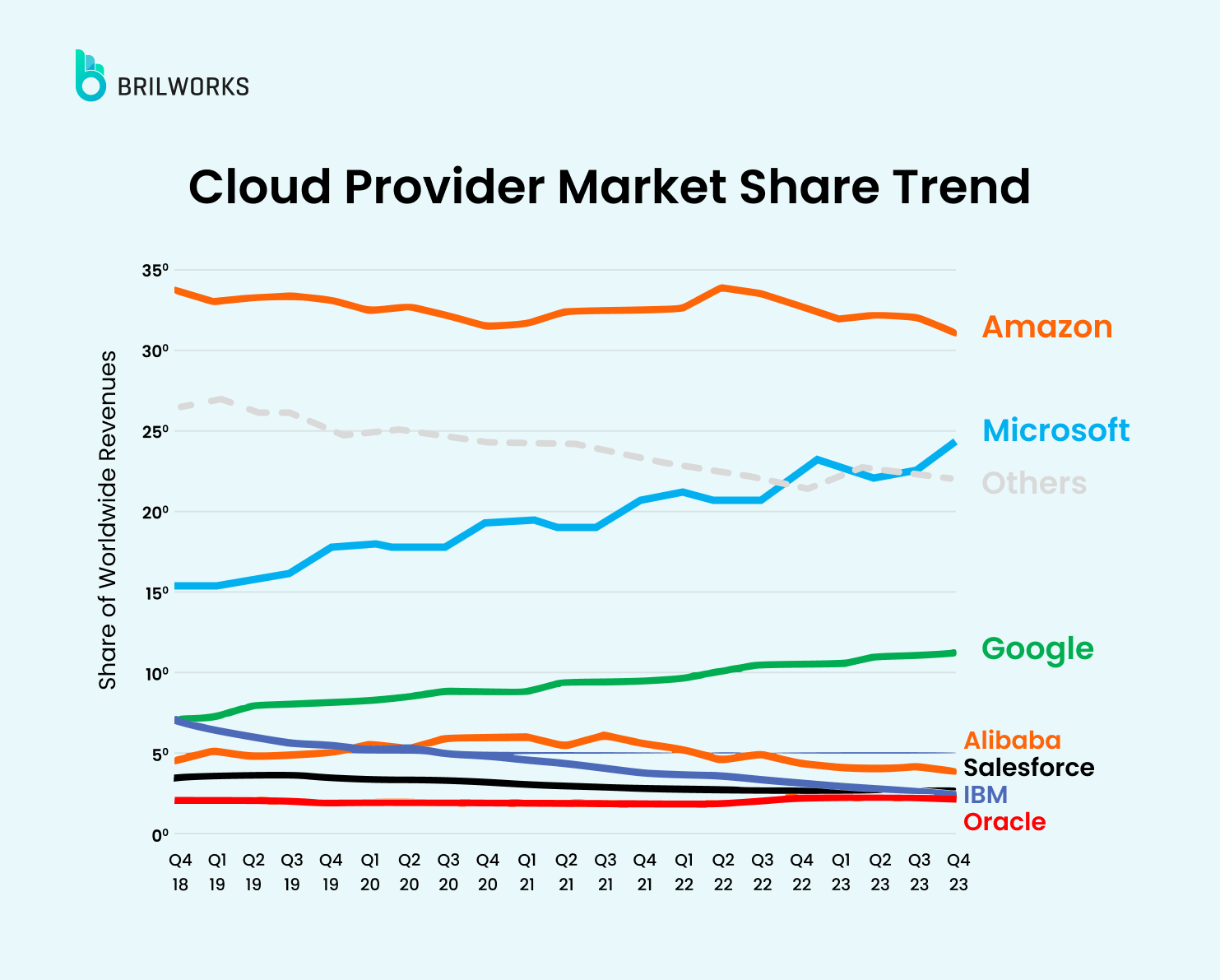
When you look at these trends together, you can see a clear pattern. AWS grew by supporting modern, cloud-first development, while Azure grew by supporting large companies that needed cloud to connect smoothly with existing systems.
To understand why this pattern exists, it helps to look at how these platforms are designed.
Both platforms offer many services, but they do not follow the same strategy.
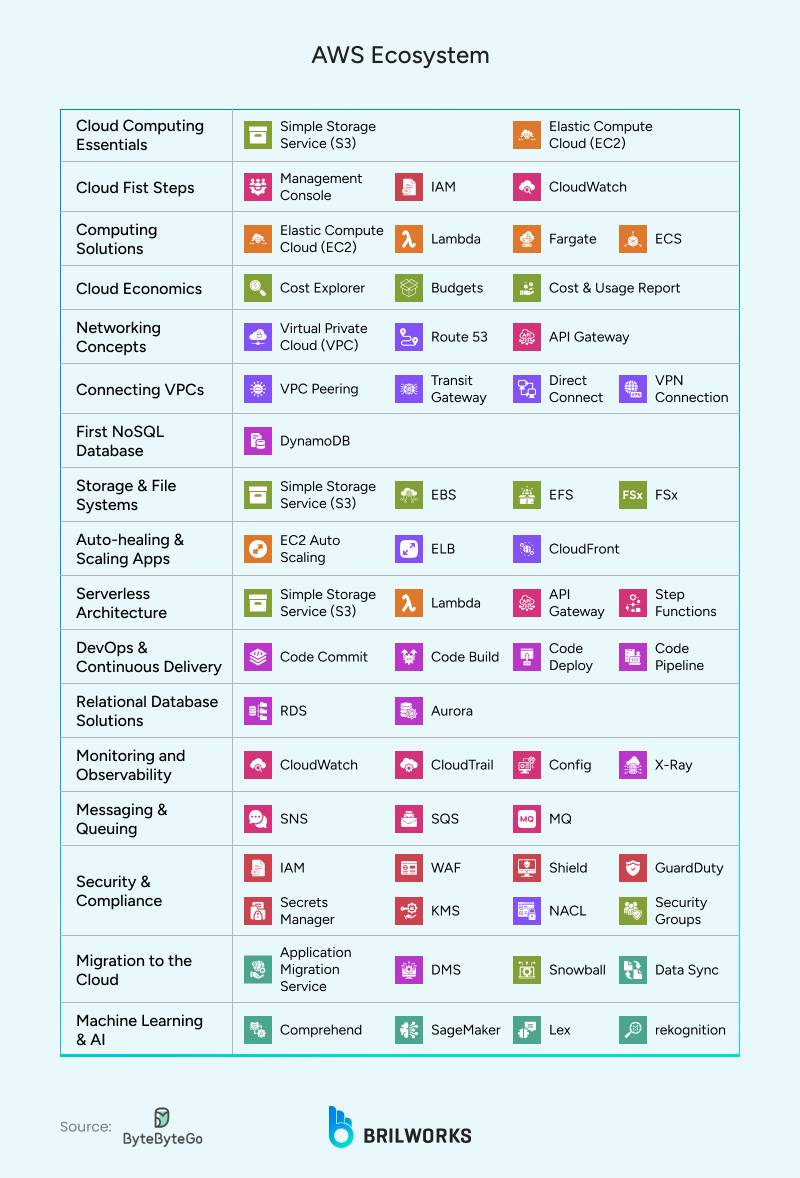
AWS has more than 200 services across many categories. This wide range gives teams the ability to customize almost every layer of their system. Because of this variety, AWS often appeals to teams that want close control over how applications run.
Azure also provides over 200 services. However, these services are closely connected with Microsoft’s identity, security, and management tools. As a result, Azure tends to feel more unified and easier to adopt if a company already uses Microsoft products.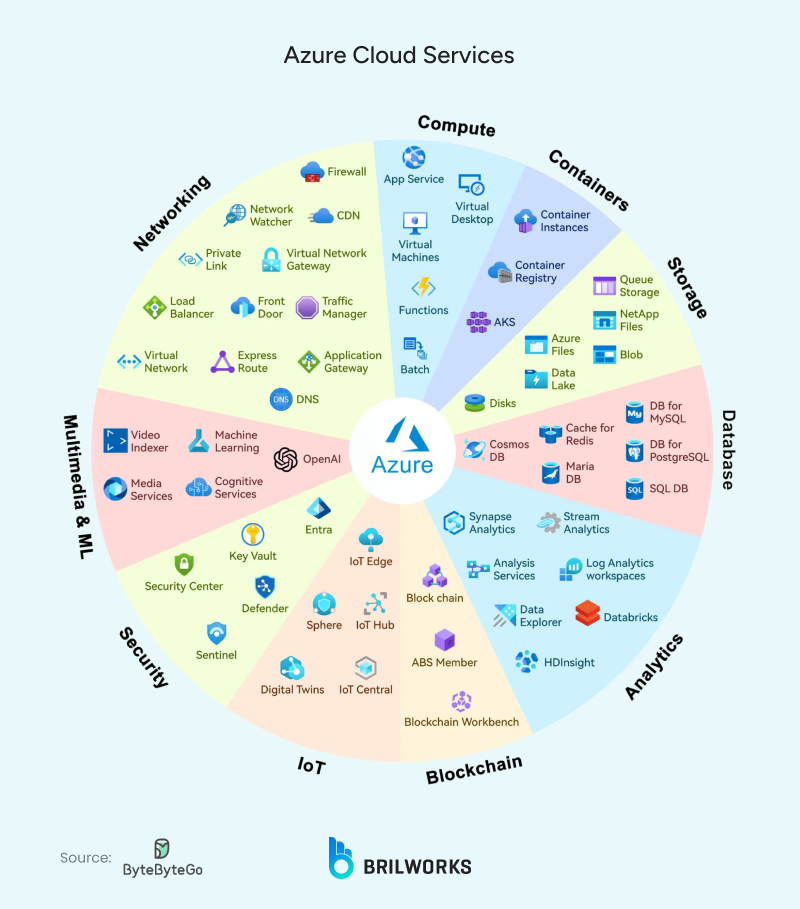
These differences matter because they affect how teams plan their work. AWS offers more options, while Azure offers more familiar paths for companies with existing Microsoft setups.
Another important difference lies in how the platforms are built. AWS works like a collection of building blocks. Each service stands on its own, and you combine them based on your needs. This approach allows a lot of flexibility, and it works well for cloud-native applications that need to grow or change often.
Azure works more like a connected system. Many of its tools are linked through Microsoft identity and security frameworks. This design helps companies move older systems into the cloud with less friction, especially if they rely on Windows or on-premise servers.
Because these design patterns are so different, the experience of using AWS and Azure can feel very different even when you are working on similar tasks.
Both platforms can be cost-effective when used correctly, but they behave differently.
AWS provides many pricing options. This helps teams who monitor their usage closely and adjust resources as needed.
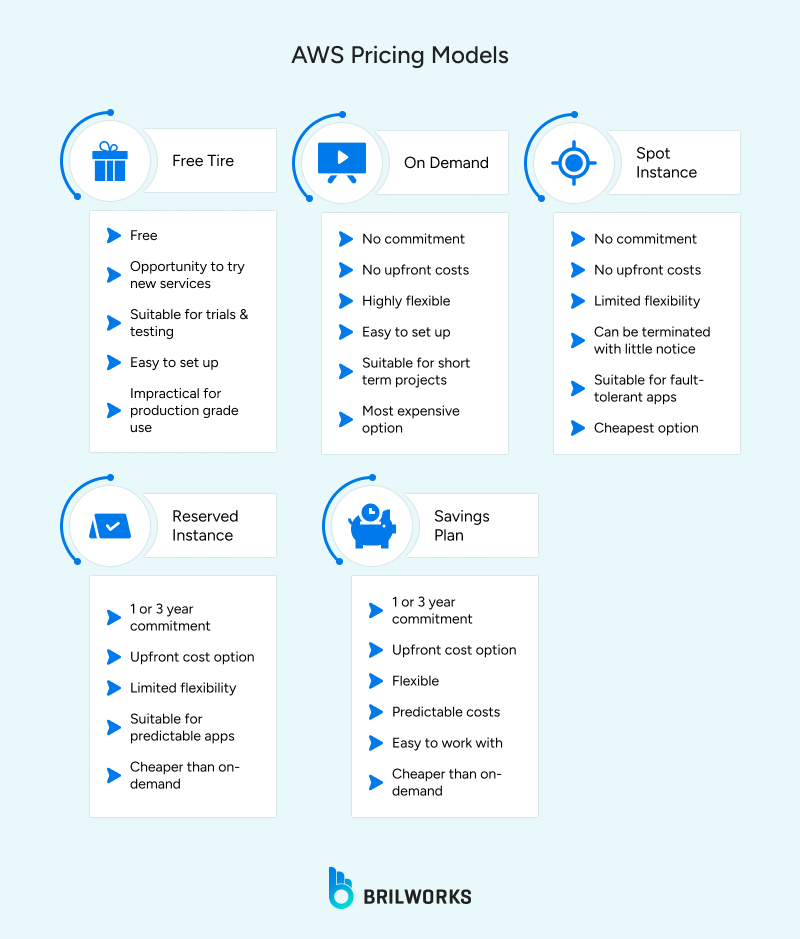
However, the same flexibility can also lead to unexpected costs if services are left running or not configured carefully.
Azure tends to follow more predictable pricing patterns. Companies that already pay for Microsoft licenses often receive significant discounts. This makes Azure appealing for long-term projects and enterprise environments where cost planning is part of regular operations.
So, while AWS gives more room to optimize, Azure often provides steadier pricing, especially when combined with existing Microsoft agreements.
AWS and Azure both give you the tools to run everything from small apps to large global systems. However, the day-to-day work feels different on each platform because they expect different things from your team.
AWS becomes harder when you need to make many choices. Most services come in several versions, and each version has multiple configuration options. For example, picking a compute instance often means going through dozens of families and sizes.
This level of freedom is great when you know what you need, but it can slow you down if you are still exploring or if your team is new to cloud work. The extra detail also means you need to track settings closely to avoid performance issues or extra costs.
Azure becomes harder for another reason. Many core settings connect back to identity, policy, or the wider Microsoft environment. This creates a consistent structure across the platform, but it also limits how far you can move away from Microsoft’s way of managing systems.
If your organization already uses tools like Active Directory, Azure feels familiar and predictable. If you do not, some features may feel tied to earlier decisions your team never made.
Because the challenges come from different places, the platform you choose affects how your team works.
AWS requires more decision-making. Azure requires more alignment with its structure.
Hybrid cloud is now common. Many organizations move part of their systems to the cloud while keeping older tools or sensitive data on-prem. This is one of the clearest areas where AWS and Azure take different paths.
Azure works closely with on-prem setups because it grew from Microsoft’s enterprise background. Identity, access control, device management, and server administration often carry over with very little change.
This means teams can connect new cloud services with existing systems without redesigning everything. Tools like Azure Arc and Azure AD make it easier to manage cloud and on-prem systems from a single place, which reduces migration work.
AWS supports hybrid systems too, but the experience is more cloud-first. Services like Outposts, Direct Connect, and Site-to-Site VPN cover most needs, but they do not plug into traditional on-prem environments with the same level of built-in familiarity.
AWS expects you to standardize more parts of your setup around cloud patterns rather than extending older setups directly.
In simple terms, Azure fits hybrid systems without much adjustment. AWS fits hybrid systems when most of the design leans toward cloud practices.
After looking at market data, service depth, design patterns, and typical use cases, the differences become clear. AWS is a strong choice for teams that want freedom, customization, and the ability to shape cloud systems from the ground up.
It works especially well for cloud-native apps, fast-growing products, and companies that value flexibility. Azure is a strong choice for organizations that want cloud to fit neatly with tools they already use. It is also a good fit for companies with on-premise systems or strict identity requirements, because Azure handles these situations with less setup.
Both platforms are reliable, mature, and widely supported. The better choice depends on what you are working with and how you plan your systems to grow.

AWS and Azure are not simply two versions of the same idea. They serve different needs, follow different design styles, and often attract different kinds of organizations. AWS focuses on flexibility and service variety. Azure focuses on integration, consistency, and enterprise comfort.
Choosing between them becomes easier when you look at how your systems work today, what tools you already rely on, and how much control you want as your cloud use grows.
Get In Touch
Contact us for your software development requirements
Get In Touch
Contact us for your software development requirements

Hello, we are BRILLIAN’S. Trying to make an effort to put the right people for you to get the best results. Just insight !

 503, Fortune Business Hub, Science City Road, Sola, Ahmedabad, Gujarat, India Pincode- 380060
 + 91 9313644148
 sales@brilworks.com


