COOPERATION MODEL
ARTIFICIAL INTELLIGENCE
PRODUCT ENGINEERING
DevOps & Cloud
LOW-CODE/NO-CODE DEVELOPMENT
INDUSTRY
FRONTEND DEVELOPMENT
CLOUD DEVELOPMENT
MOBILE APP DEVELOPMENT
LOW CODE/ NO CODE DEVELOPMENT
EMERGING TECHNOLOGIES



 4 mins read
 Last updated February 25, 2026
Moving your infrastructure to the cloud sounds straightforward until you're knee-deep in compatibility issues, security gaps, and unexpected costs. A cloud migration consultant brings the specialized expertise needed to navigate these challenges, turning what could be a chaotic transition into a structured, predictable process. For CTOs and engineering leaders, finding the right consultant can mean the difference between a smooth migration and months of firefighting.
This guide breaks down what a cloud migration consultant actually does, the tangible benefits they bring to your organization, and practical tips for hiring one who fits your needs. Whether you're planning your first cloud transition or modernizing legacy systems, you'll walk away with clear criteria for evaluating candidates and understanding when to bring in outside expertise.
At Brilworks, we've helped companies architect and execute cloud migrations, particularly on AWS, so we understand both sides of this equation. Our team knows what makes a strong consulting engagement successful and what red flags to watch for when you're vetting potential partners.
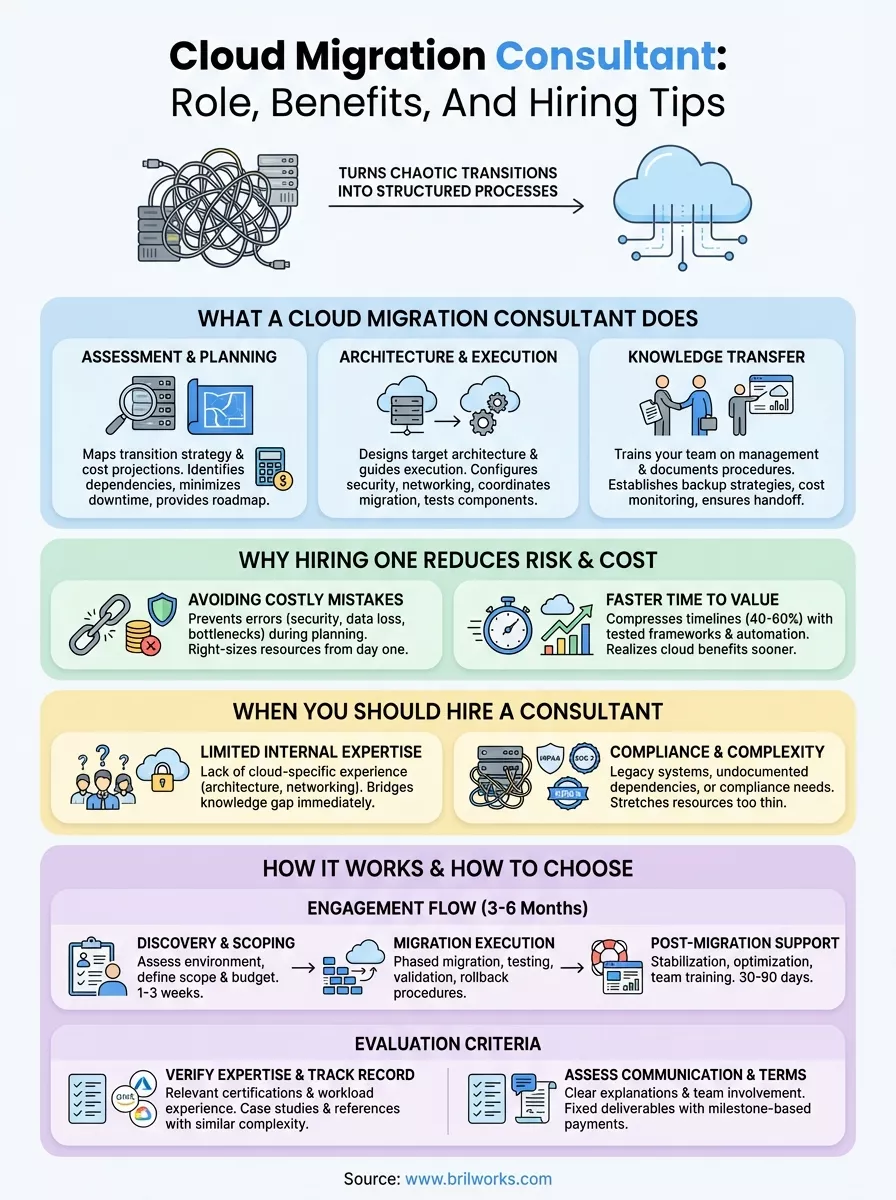
A cloud migration consultant maps out your entire transition strategy from current infrastructure to cloud-based systems, then guides your team through execution. They analyze your existing architecture, identify dependencies, and create a detailed migration plan that minimizes downtime and prevents data loss. You get an outside expert who has navigated dozens of similar migrations, bringing pattern recognition to problems that might stump your internal team.
The consultant starts by auditing your current infrastructure to understand what you're running, how applications connect, and where bottlenecks exist. They document dependencies between systems, evaluate which workloads move easily and which need refactoring, and calculate cost projections for various cloud configurations. This phase produces a prioritized migration roadmap that sequences moves based on risk and business value. You receive clarity on timeline, budget requirements, and technical prerequisites before committing resources.
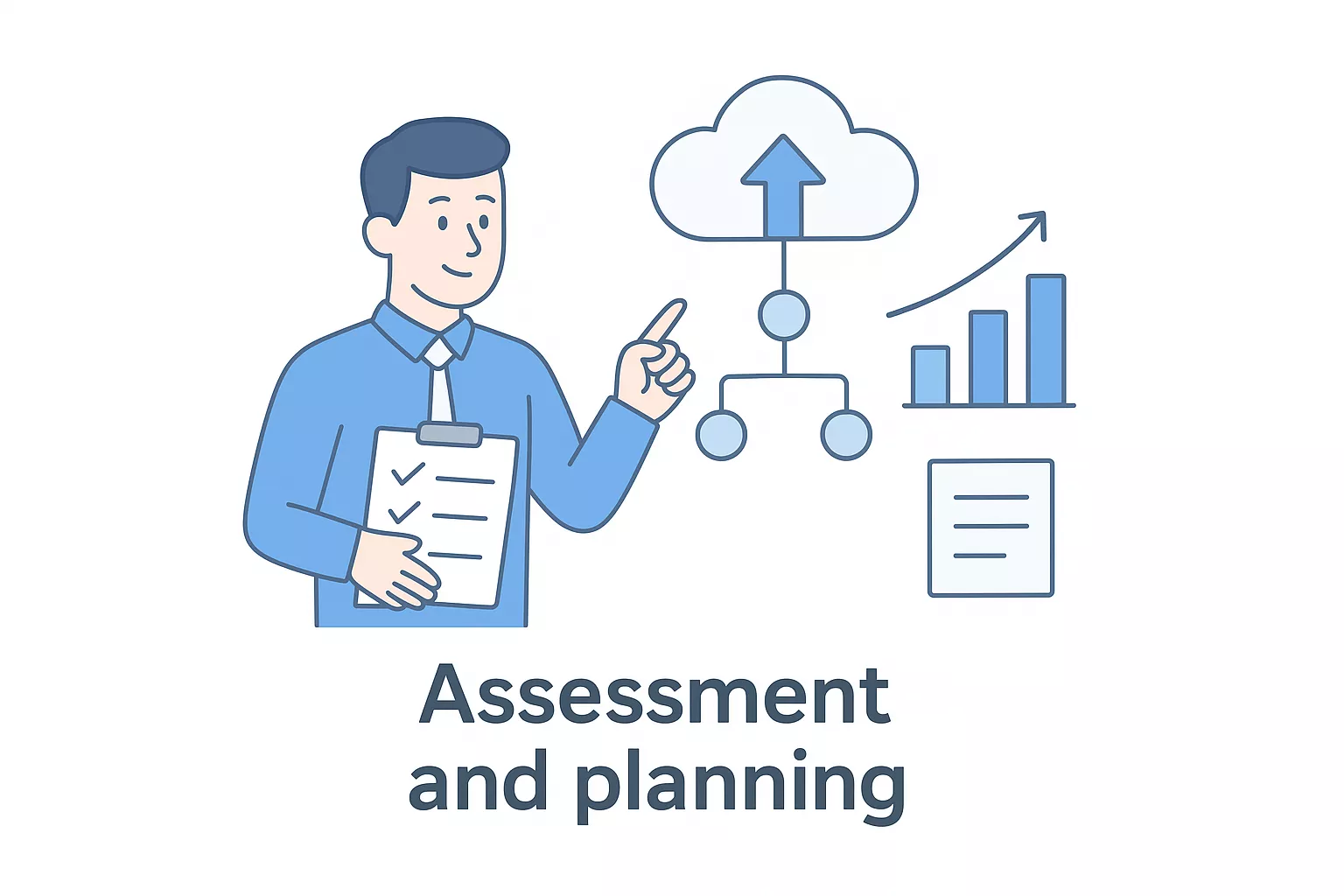
A thorough assessment catches issues before they become expensive problems mid-migration.
During migration, your consultant designs the target cloud architecture based on performance requirements, compliance needs, and growth projections. They configure security groups, set up networking, and establish monitoring before moving workloads. The consultant coordinates with your engineering team to execute the actual migration, testing each component as it transitions and adjusting the approach based on real-world results. You maintain control while benefiting from their expertise in cloud-native services and optimization techniques.
After technical work completes, the consultant trains your team on managing cloud infrastructure and documents operational procedures. They establish backup strategies, cost monitoring practices, and troubleshooting workflows your engineers can follow independently. This handoff ensures you're not dependent on external help for routine operations once the engagement ends.
Bringing in a cloud migration consultant prevents expensive mistakes that internal teams often make during their first major migration. These specialists have already encountered and solved the problems you're about to face, which saves weeks of troubleshooting and reduces the risk of downtime. You avoid paying for oversized infrastructure because they know exactly how to right-size resources from day one. The consultant's experience translates directly into lower total cost of ownership and fewer crisis situations requiring emergency fixes.
Migration errors typically fall into three categories: security misconfigurations, data loss, and performance bottlenecks. A cloud migration consultant catches these issues during planning rather than after deployment when fixing them costs significantly more. They implement proper backup strategies, configure access controls correctly, and optimize database connections before workloads go live. Your team learns from their expertise instead of learning through painful trial and error.
Most migration overruns stem from underestimating dependencies and integration complexity.
Consultants compress migration timelines by 40-60% compared to internal teams working without external guidance. They bring tested frameworks, automation scripts, and architecture patterns that eliminate research time. You reach production stability faster, which means realizing cloud benefits sooner and reducing the period where you're paying for both old and new infrastructure simultaneously.
You need a cloud migration consultant when your internal team lacks cloud-specific experience or when your migration involves complex systems that carry high business risk. Companies typically bring in consultants for their first major cloud transition, when migrating mission-critical applications, or when facing tight deadlines that internal resources can't meet. The decision comes down to weighing the cost of hiring external expertise against the risk of extended downtime, security vulnerabilities, or budget overruns from trial-and-error approaches.
Your team might excel at maintaining current infrastructure but lack hands-on experience with cloud architectures, networking configurations, and optimization strategies. If no one on your engineering staff has managed a production migration before, you're essentially paying your team to learn on a project where mistakes carry real consequences. Consultants bridge this knowledge gap immediately and transfer skills to your team during the engagement.
Hiring expertise upfront costs less than fixing problems after a failed migration attempt.
Migrations involving legacy systems with undocumented dependencies, compliance requirements like HIPAA or SOC 2, or applications requiring significant refactoring all benefit from consultant involvement. Your team already handles daily operations, and adding a complex migration project often stretches resources too thin to execute either responsibility well. External consultants provide dedicated focus without disrupting your current operations.
A cloud migration consultant engagement typically spans three to six months, depending on infrastructure complexity and workload volume. The consultant starts with discovery, moves into architecture design and execution, then hands off operations to your team. You stay involved throughout the process, making key decisions while the consultant handles technical implementation and risk mitigation. The engagement follows a structured approach that balances speed with thoroughness.
Your consultant spends one to three weeks assessing your current environment, interviewing stakeholders, and documenting technical requirements. They catalog applications, measure performance baselines, and identify compliance or security constraints that affect migration strategy. This phase produces a detailed statement of work that outlines scope, timeline, deliverables, and success criteria. You receive cost estimates for both consulting fees and projected cloud infrastructure expenses.
Clear scoping prevents scope creep and keeps migration projects on schedule and budget.
The consultant breaks migration into waves or phases that move low-risk workloads first, building confidence before tackling critical systems. Each phase includes testing, validation, and rollback procedures to minimize business disruption. Your team participates in cutover planning and approves each phase before proceeding to the next set of workloads.
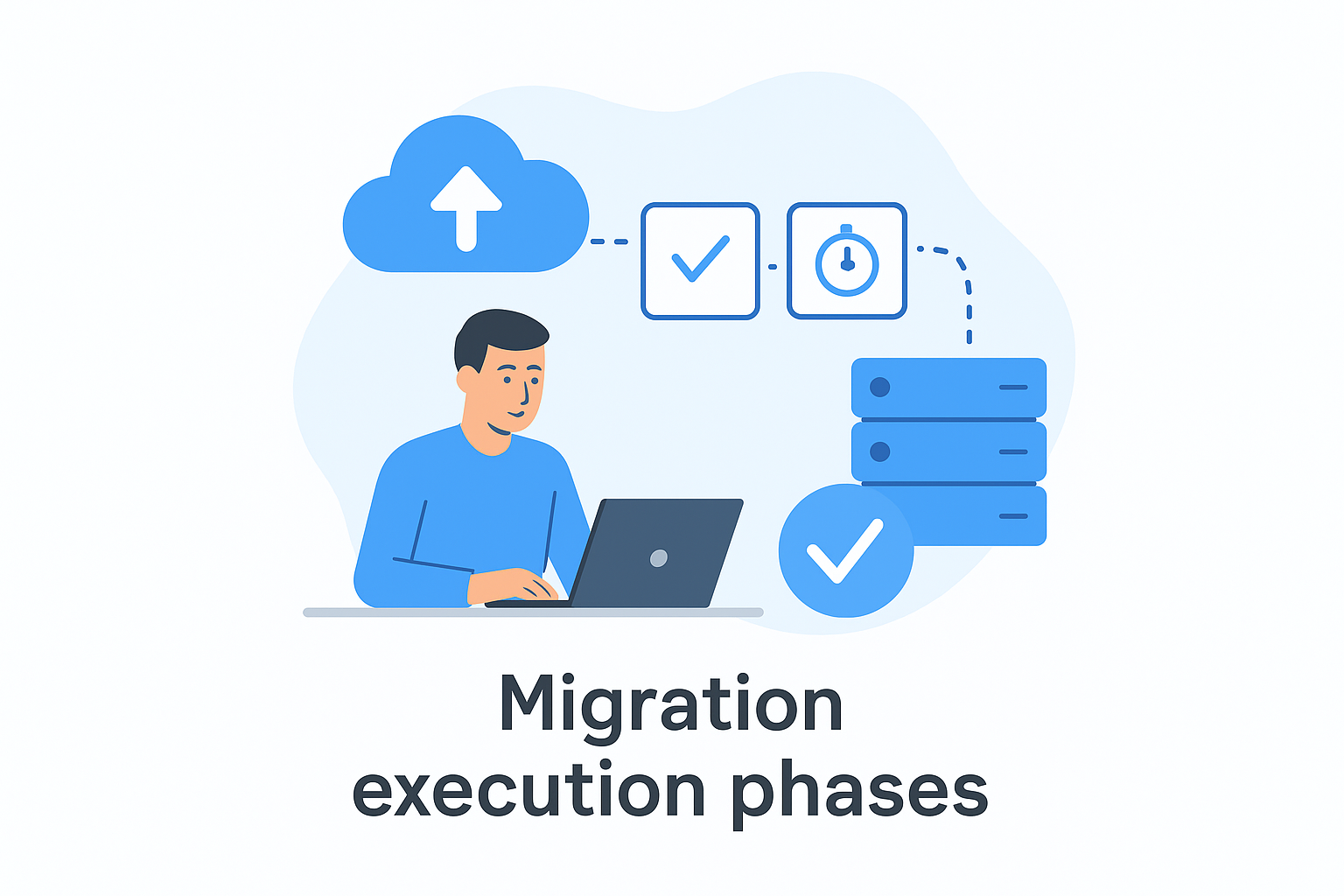
After migration completes, most consultants provide 30 to 90 days of stabilization support to address issues that surface in production. They monitor performance, optimize costs, and train your team on cloud operations before closing the engagement.
You need to evaluate technical expertise, proven experience, and cultural fit before signing an engagement with any cloud migration consultant. Start by confirming they have hands-on certifications in your target cloud platform (AWS, Azure, or Google Cloud) and ask for case studies from similar migrations. The right consultant communicates clearly without hiding behind technical jargon and provides transparent cost breakdowns upfront.
Your consultant should hold relevant certifications from your chosen cloud provider and demonstrate experience with your specific workload types. Ask for references from companies with similar infrastructure complexity and verify they've handled migrations involving your tech stack. Look for consultants who show you actual architecture diagrams and migration plans from past engagements rather than generic presentations.
A consultant's past projects reveal more than their marketing materials ever will.
Choose a consultant who explains technical concepts clearly and involves your team in decision-making rather than working in isolation. Review their engagement structure, payment terms, and what happens if the migration takes longer than estimated. You want fixed deliverables with milestone-based payments that protect both parties and ensure accountability throughout the process.
Your cloud migration success depends on choosing the right consultant who matches your technical requirements and organizational culture. Start by documenting your current infrastructure, defining clear migration objectives, and establishing budget parameters before reaching out to potential consultants. This preparation helps you evaluate proposals accurately and ensures consultants can provide realistic timelines and cost estimates from the first conversation.
Most organizations benefit from scheduling initial consultations with three to five cloud migration consultant candidates to compare approaches and pricing models. During these discussions, ask specific questions about their experience with your technology stack, request detailed engagement structures, and verify their availability to start when you need them. You want a consultant who demonstrates deep technical knowledge while explaining concepts in terms your stakeholders can understand.
Ready to plan your cloud migration with experienced AWS specialists? Brilworks partners with companies to architect and execute successful cloud transitions that minimize risk and deliver measurable results.
A Cloud Migration Consultant is a specialized professional who guides organizations through the process of moving applications, data, and infrastructure from on-premises systems to cloud platforms. A Cloud Migration Consultant provides strategic planning, technical expertise, risk mitigation, and hands-on support to ensure successful cloud adoption with minimal disruption.
A Cloud Migration Consultant assesses your current infrastructure, develops a migration strategy, selects appropriate cloud platforms, designs cloud architecture, manages the migration process, optimizes costs, ensures security compliance, and provides training. A Cloud Migration Consultant acts as both strategist and technical expert throughout your cloud journey.
Hiring a Cloud Migration Consultant helps avoid costly mistakes, reduces migration risks, accelerates time-to-cloud, ensures security and compliance, optimizes cloud spending, and transfers knowledge to your team. A Cloud Migration Consultant brings proven methodologies and experience from multiple migrations that internal teams typically lack.
A Cloud Migration Consultant typically charges $150-$300 per hour for independent consultants, while consulting firms may charge $200-$500+ per hour. Project-based fees from a Cloud Migration Consultant range from $50,000 for small migrations to $500,000+ for enterprise-wide transformations, depending on complexity and scope.
A qualified Cloud Migration Consultant should hold certifications like AWS Certified Solutions Architect, Azure Solutions Architect Expert, or Google Cloud Professional Architect. Look for a Cloud Migration Consultant with 5+ years of cloud experience, proven migration case studies, expertise in your industry, and strong knowledge of security and compliance requirements.
Get In Touch
Contact us for your software development requirements
Get In Touch
Contact us for your software development requirements

Hello, we are BRILLIAN’S. Trying to make an effort to put the right people for you to get the best results. Just insight !

 503, Fortune Business Hub, Science City Road, Sola, Ahmedabad, Gujarat, India Pincode- 380060
 + 91 9313644148
 sales@brilworks.com


