COOPERATION MODEL
ARTIFICIAL INTELLIGENCE
PRODUCT ENGINEERING
DevOps & Cloud
LOW-CODE/NO-CODE DEVELOPMENT
INDUSTRY
FRONTEND DEVELOPMENT
CLOUD DEVELOPMENT
MOBILE APP DEVELOPMENT
LOW CODE/ NO CODE DEVELOPMENT
EMERGING TECHNOLOGIES



 3 mins read
 Last updated March 26, 2026
Artificial intelligence is a present-day necessity for businesses. Yet, with an overwhelming number of AI tools and platforms flooding the market, many organizations are stumbling into what can only be described as "expensive chaos."
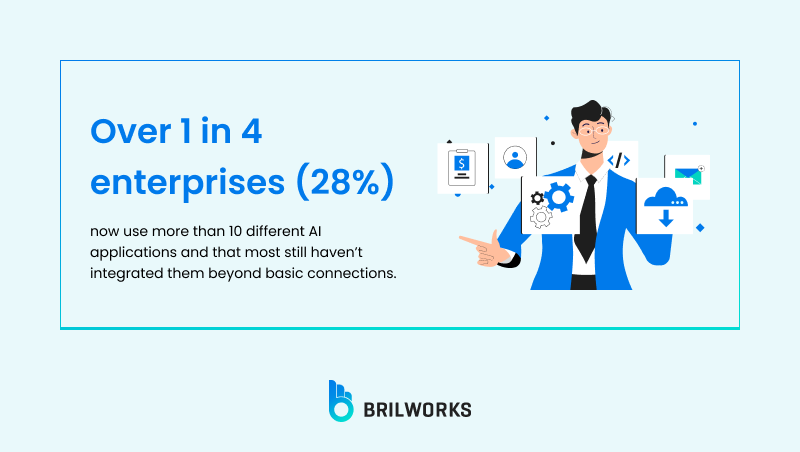
Zapier’s blog post “Tool sprawl limits AI integration for 70% of enterprises” notes that AI tool sprawl is costly for more than 2/3rd of businesses. Furthermore, it costs businesses time, money, and data security,” and notes that 76% of enterprises have experienced at least one negative outcome because of disconnected AI,
When you have too many options to choose from, identifying the right ones is challenging.
And choosing the wrong platform can have several unpleasant consequences. This article outlines the most critical factors that business leaders must consider when choosing an AI platform.
It’s easy to be captivated by the latest, “smartest” AI model. They come every day. However, for a business, the real value comes from the AI platforms like cloud-based environments such as AWS or Azure. Before choosing a model, businesses need to work around platforms. The distinction is crucial.
AI platform functions provide an environment to build and run advanced AI programs.
A model is a tool
A platform is a System
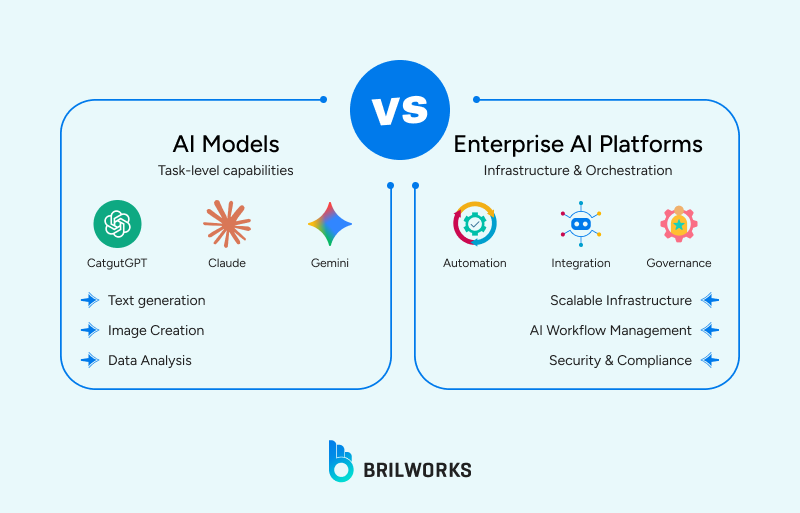
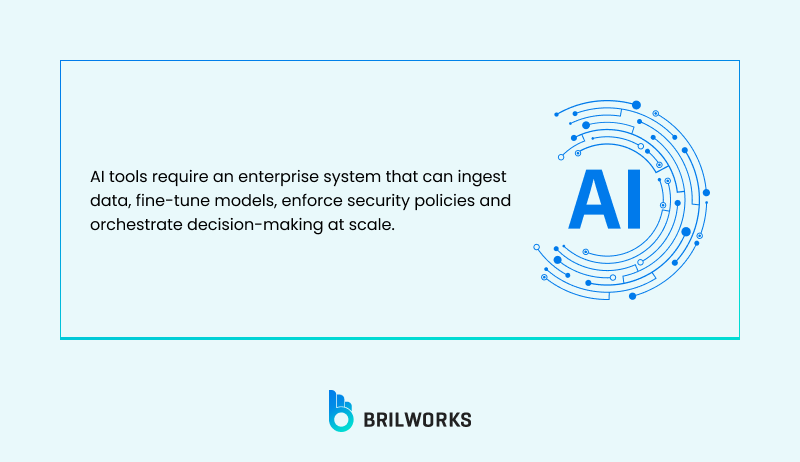
An AI tool may not have the foundational capabilities an enterprise requires. It needs a system (or infrastructure) to communicate with the ERP and proprietary databases.
An AI platform's value is directly tied to its ability to connect with your technology stack. It needs access to and acts upon the data you have. Without this connectivity, even models may not produce reliable output. Below are a few things to keep in mind when picking an AI platform:
Are they native connectors for core enterprise systems?
Can they be connected to on-premise/legacy systems in your company?
Can you integrate modern data sources like vector databases?
One of the most common mistakes in selecting an AI platform is ignoring the user experience for business (non-technical) teams. If the platform is not easy-to-use for your marketing and operations teams, its potential remains locked.
The solution is to use platforms with no-code and low-code builders to involve non-technical employees in an AI-driven, modern workflow.

"Future-proofing" your AI investment means selecting a platform built for adaptability. A platform should have these features:
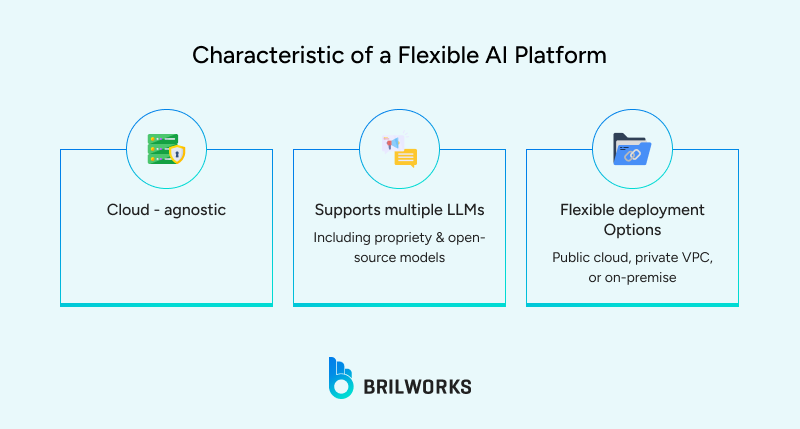
Model Flexibility: The platform must be "cloud-agnostic." It should support multiple Large Language Model (LLM) providers, including proprietary, open-source, and even custom models.
Scalability and Deployment Flexibility: The platform must be robust enough to handle the transition from a small project to an enterprise-wide deployment. Critically, it must offer flexible deployment options (Cloud, private VPC, or on-prem).
Vendor Stability & Roadmap: Your chosen vendor is a long-term partner. A stable vendor who consistently invests in R&D is more likely to keep your platform at the forefront of AI innovation.
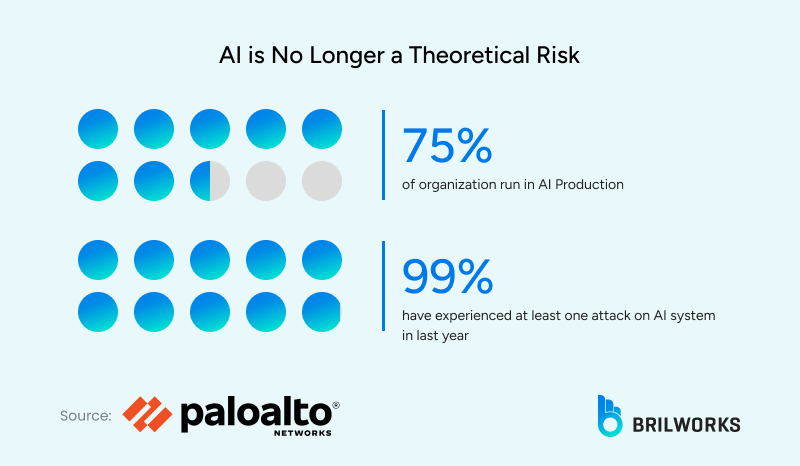
Security cannot be an afterthought. It has to be a foundational part of the AI platform. An AI system that has access to your most valuable information and doesn’t have enterprise-grade security is simply a risk.
Role-based access control (RBAC)
Single Sign-On (SSO/SAML) feature
End-to-end encryption
Certifications for regulatory frameworks
A platform without these features can pose significant risks to your company.
Looking only at the upfront subscription cost is a path to budget overruns. Hidden costs can easily triple your initial budget. Hidden fees can double or triple your budget. A thorough total cost of ownership (TCO) can help you avoid unexpected budget surprises. Here are the cost factors to consider:
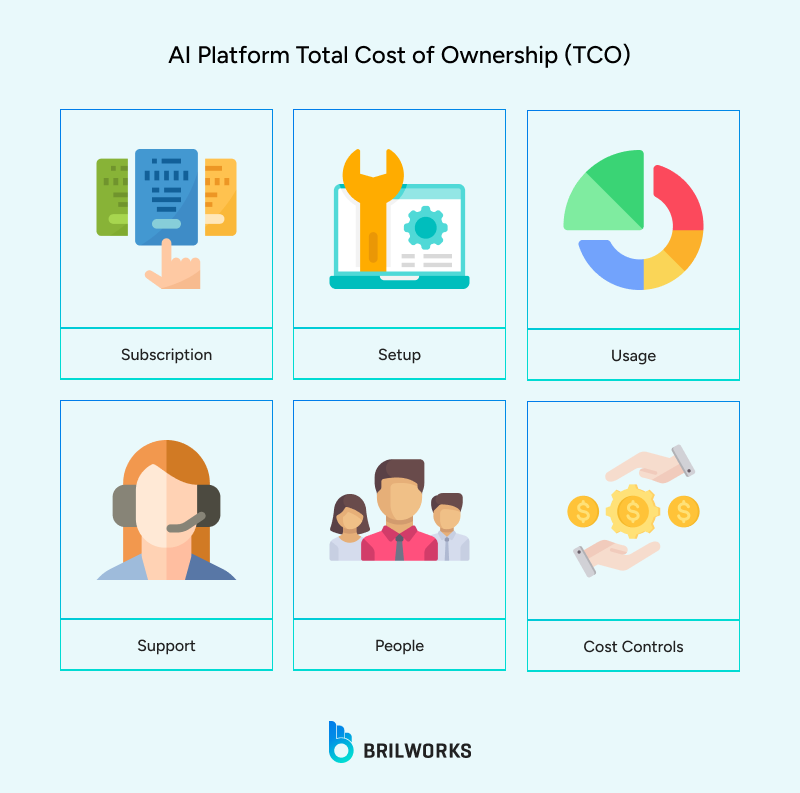
Initial Costs: In addition to the license fee, is there a cost for implementation, setup, and data migration?
Usage Costs: Does the vendor add an additional fee for API calls, premium connectors, the number of deployed AI models, or large data volume? These pay-as-you-go charges can snowball.
Maintenance & Support: Does it include 24/7 support for critical issues, or is that a premium feature that comes with an additional substantial cost? How about the continued expenses to maintain the platform and required updates?
Human Costs: How much training will your staff need to be fluent? Will you have to recruit new specialists to run the platform and govern it?
Cost Control Mechanisms: Does the system provide cost control? If your service provider offers features such as per-run cost, configurable budgets and alerts, cost optimisation features, etc, it’s a green signal. Avoid vendors that don't show their pricing before committing to their services.
Seek out vendors with transparent, all-inclusive pricing models. Before committing to their services.
The difference between a basic AI tool and an enterprise platform is its ability to understand context. Simple AI gives one-off answers. Advanced "agentic" platforms can reason, retrieve data, and act autonomously. The AI platform should be built on an "enterprise-wide context store."

Choosing an AI platform is a big strategic decision beyond a purchase. It’s an investment in the future operational backbone of your business. Success hinges on a holistic evaluation. Features like integration with different kinds of services and strong security are prerequisites.
If these look familiar to you, it’s because they appear only once you start working with AI for advanced use cases. We, as a top-rated AI development agency, work with startups and medium-sized businesses worldwide, sorting through tool sprawl and creating beautiful AI solutions. If you’re weighing options or realizing an early choice may not scale, this is where a practical conversation can help.
Get In Touch
Contact us for your software development requirements
Get In Touch
Contact us for your software development requirements

Hello, we are BRILLIAN’S. Trying to make an effort to put the right people for you to get the best results. Just insight !

 503, Fortune Business Hub, Science City Road, Sola, Ahmedabad, Gujarat, India Pincode- 380060
 + 91 9313644148
 sales@brilworks.com


